

When Your Child Struggles to Connect: You're Not Alone
Watching your child sit alone at recess, hearing them say "nobody likes me," or seeing them excluded from birthday parties can break a parent's heart.
For many families in La Jolla and throughout San Diego, their child's social struggles are one of the most painful challenges they face, and one of the most common reasons they reach out to a child therapist in San Diego.
The good news? Friendship skills can be learned. While some children seem to make friends effortlessly, others need guidance, practice, and support to develop the social confidence that leads to meaningful connections.
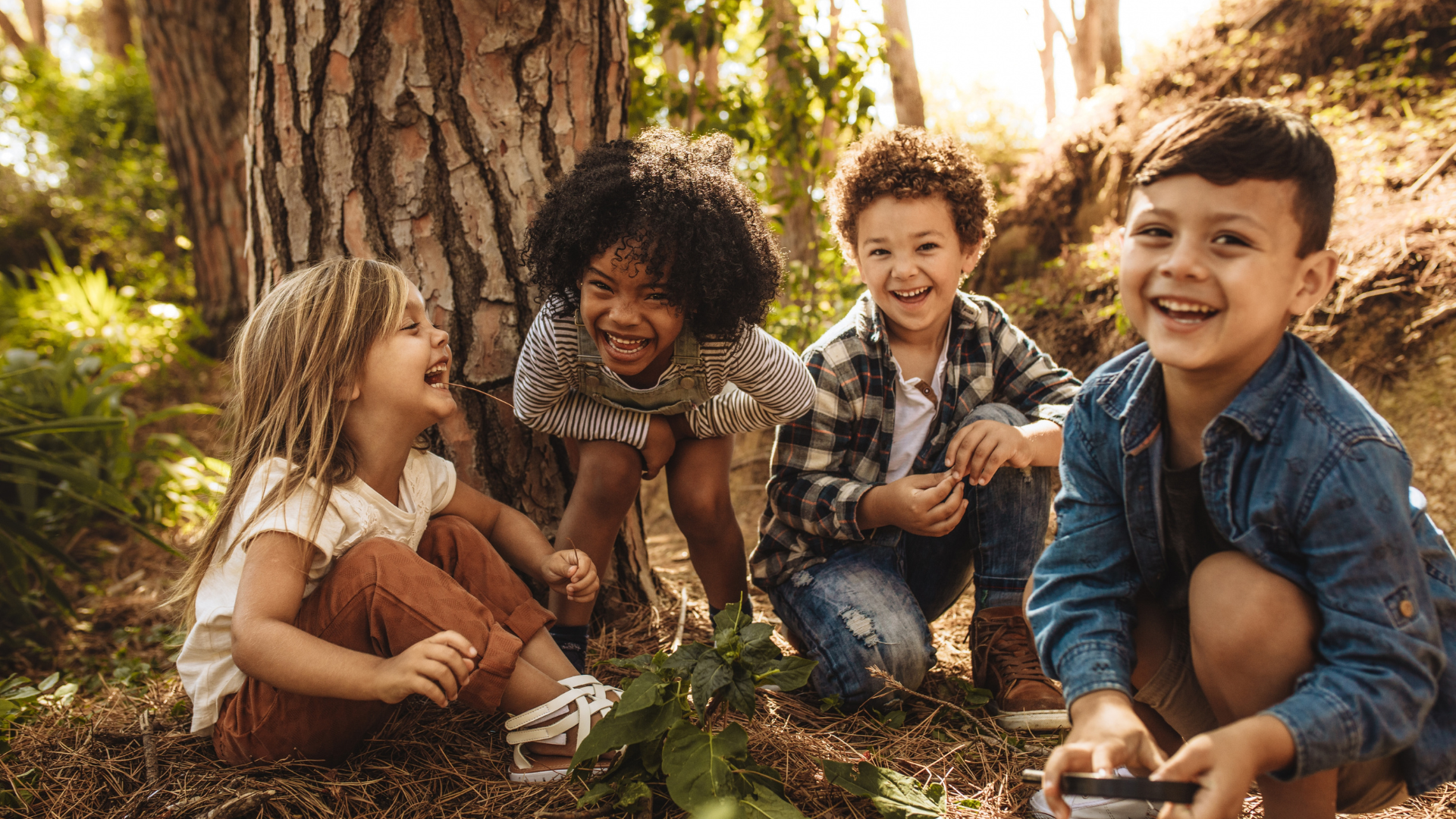
As a child psychologist in La Jolla, I've worked with countless families to help children overcome social challenges and build the friendships they deserve.
Whether your child is painfully shy, struggles to read social cues, or has experienced bullying or rejection, there are evidence-based strategies that can help.
Let's explore why some children find friendship difficult and what you can do to support them.
Why Some Children Struggle to Make Friends
It's Not About Being "Likeable"
First, let's address a painful misconception: if your child struggles socially, it doesn't mean there's something fundamentally wrong with them or that they're unlikable.
Children struggle to make friends for many different reasons, and most of these challenges are treatable with the right support.
Common reasons children have difficulty making friends include:
Social anxiety: The fear of judgment or rejection can be so overwhelming that children avoid social situations altogether, creating a cycle where they miss opportunities to practice social skills and build confidence.
Difficulty reading social cues: Some children struggle to interpret facial expressions, tone of voice, or body language, making it hard to know how others are feeling or how to respond appropriately in social situations.
Past negative experiences: Bullying, rejection, or social trauma can create lasting fear around friendships. Children who've been hurt may withdraw to protect themselves, even when safe opportunities for connection arise.
Underlying conditions: Autism spectrum disorder, ADHD, anxiety disorders, and other conditions can impact social development. An evaluation from a child psychologist in San Diego can help identify whether these factors are contributing to your child's challenges.
Lack of opportunity or practice: Some children simply haven't had enough chances to develop social skills, especially if they're naturally introverted, new to the area, or have limited exposure to peers outside of school.
The Cognitive Component: Thoughts That Hold Children Back
One of the most powerful factors in social struggles is what children think about themselves and their social interactions. A child who thinks "I'm weird," "Nobody wants to be my friend," or "I always mess up when I talk to people" will approach social situations with fear and hesitation, often creating a self-fulfilling prophecy.
This is where cognitive-behavioral therapy (CBT) for social anxiety becomes invaluable. CBT helps children identify and challenge the negative thought patterns that keep them stuck, replacing them with more realistic and helpful ways of thinking.
Five Evidence-Based Strategies to Help Your Child Make Friends
1. Start with Small, Manageable Steps
When your child feels socially isolated, the idea of "making friends" can feel overwhelming. Breaking this big goal into tiny, achievable steps makes the process less scary and more successful.
Instead of expecting your child to suddenly join a group at recess or host a playdate, focus on micro-goals:
Week 1: Make eye contact and smile at one classmate
Week 2: Say "hi" to that same classmate
Week 3: Ask that classmate a simple question like "Did you understand the math homework?"
Week 4: Sit near that classmate at lunch
These small steps serve two purposes.
First, they're less anxiety-provoking, making it more likely your child will actually try them.
Second, each small success builds confidence and proves to your child that social interaction doesn't have to end in disaster.
For younger children, practice these steps through role-playing at home. For older children and teens, collaborate with them to identify which small step feels doable this week.
The key is making progress feel achievable rather than overwhelming.
Reaching out to a friend doesn't require grand gestures. A simple text saying "That was funny in class today" or "Want to compare answers on the homework?" opens the door to connection without the pressure of a formal invitation.
2. Challenge Negative Thoughts About Social Interactions
Children who struggle socially often develop distorted thinking patterns that make every social situation feel threatening. Common thought distortions include:
Mind reading: "She thinks I'm annoying" (without any evidence)
Catastrophizing: "If I say the wrong thing, everyone will hate me forever."
Overgeneralization: "I embarrassed myself once, so I'll always mess up."
Filtering: Focusing only on negative interactions while ignoring positive ones
As a parent, you can help your child become aware of these thoughts and evaluate them more realistically. When your child says, "Nobody likes me," gently challenge that thought:
Parent: "Nobody? Can you think of anyone who's been friendly to you this week?"
Child: "Well, Emma saved me a seat at lunch..."
Parent: "So maybe it's not that nobody likes you. Maybe it's that you're still building friendships, and it takes time."
This technique, central to CBT for social anxiety, teaches children to examine the evidence for their thoughts rather than accepting them as facts. Over time, this practice rewires the brain's automatic responses to social situations.
For older children and teens, you might introduce the concept of "thought records"—writing down anxious thoughts and then listing evidence for and against them.
This concrete exercise helps young people see that their fears often aren't supported by reality.
3. Build Self-Esteem in Multiple Areas
Children who struggle with friendships often define their entire self-worth by their social success. When making friends is hard, their self-esteem plummets. The solution isn't just improving social skills—it's helping your child develop a robust sense of self-worth based on multiple sources.
Encourage your child to explore and develop competence in various areas:
Creative pursuits: Art, music, writing, or theater provide outlets for self-expression and achievement that aren't dependent on peer relationships.
Physical activities: Sports, dance, martial arts, or even hiking can build confidence, release stress, and sometimes provide natural opportunities for connection with like-minded peers.
Academic interests: Deep dives into topics your child loves (dinosaurs, space, coding, fashion) create a sense of mastery and give them interesting things to talk about with peers.
Helping others: Volunteer work or helping at home gives children a sense of purpose and proves they have value to contribute.
Special talents or skills: Whether it's being great with animals, solving puzzles, or building things, highlighting your child's unique strengths reminds them they have something special to offer.
When children feel competent and valuable in multiple domains, a difficult day socially doesn't destroy their entire sense of self. They can think, "I may not have made a friend at recess today, but I'm a really good artist, and I'm kind to my little brother."
4. Teach Specific Social Skills Through Practice
Sometimes children struggle socially, not because they're anxious or have negative thoughts, but simply because they haven't learned specific skills that others pick up naturally. These skills can be taught explicitly.
Key social skills to practice at home:
Starting conversations: Teach your child to ask open-ended questions ("What did you do this weekend?" instead of "Did you have a good weekend?") and to share something about themselves in return.
Active listening: Practice giving full attention, making eye contact, and asking follow-up questions that show genuine interest in what someone is saying.
Reading the room: Help your child notice body language and social cues. "How do you think Maya felt when you said that?" or "What do you notice about Jack's face in this photo?"
Joining groups: The most successful strategy is often observing first, then making a relevant comment or question rather than trying to change the topic or take over.
Conflict resolution: Role-play how to handle disagreements, apologize when needed, and repair relationships after conflicts.
Reciprocity: Friendships require give-and-take. Help your child understand that good friends listen as much as they talk, share interests, and take turns choosing activities.
Use everyday moments to practice these skills. Discuss social situations you observe at the park or in TV shows. Role-play scenarios your child finds challenging.
The more they practice in low-stakes environments, the more natural these skills become in real situations.
5. Create Opportunities for Low-Pressure Social Connection
Your child can't make friends without spending time around peers, but the traditional social environments (school, birthday parties) can feel overwhelming. Creating lower-pressure opportunities increases the chance of success.
Consider these alternatives to high-stress social situations:
Structured activities: Classes or groups focused on a shared interest (art class, coding club, chess club) give children something to talk about and do together, reducing social pressure.
One-on-one playdates: Rather than group situations where your child might feel lost, arrange time with one potential friend. Keep it short (90 minutes to 2 hours) and structured around an activity.
Parallel play opportunities: Especially for younger children, simply being near peers while doing individual activities (coloring at the library, playing at a park) can be a gentle introduction to social connection.
Online communities (with supervision): For older children and teens, moderated online forums or groups around specific interests can help them practice social skills in a less intimidating environment.
Family friend connections: If family friends have children near your child's age, these ready-made connections can be easier because there's built-in parental support.
The goal is gradual exposure that builds confidence rather than throwing your child into overwhelming situations that confirm their fears.
When Bullying Complicates Friendship Development
For children who've experienced bullying, making friends carries extra emotional weight. They've learned that peers can be cruel, and that vulnerability can lead to pain.
These children need both healing from past hurt and support in learning that not all social experiences will end badly.
If your child has been bullied:
Validate their experience: Don't minimize what happened with "kids will be kids" or "just ignore them." Bullying hurts, and your child needs to know you understand that.
Help them understand it wasn't their fault: Children often internalize bullying, believing they somehow deserved it. Be clear that bullying says something about the bully's behavior, not your child's worth.
Work with the school: Ensure school staff are aware of the situation and have a plan to keep your child safe. Sometimes, a child psychologist in La Jolla can help facilitate this communication.
Rebuild trust gradually: Don't push your child into social situations before they're ready. Healing takes time, and forcing social connection too soon can backfire.
Consider professional support: A child therapist near me can help your child process the trauma of bullying and develop skills to protect themselves emotionally if it happens again.
Children who've been bullied benefit enormously from therapy that addresses both the emotional impact and the practical skills for navigating social situations safely going forward.
The Role of Professional Support in Developing Friendship Skills
While many children make progress with parental support alone, others benefit from working with a professional who specializes in social development.
At SoCal Child Psychology, we help children build the skills and confidence needed for meaningful friendships.
Individual therapy for social challenges provides:
A safe space to practice: Children can role-play social situations, try out new skills, and get immediate feedback without the fear of peer judgment.
Targeted CBT for social anxiety: We help children identify and challenge the anxious thoughts that hold them back from connection.
Customized skill-building: Every child's social challenges are unique. We identify exactly which skills your child needs and teach them in ways that match your child's learning style.
Emotional processing: For children affected by bullying, rejection, or past social trauma, therapy provides a place to heal and rebuild confidence.
Parent coaching: We work with you to reinforce skills at home and create opportunities for your child to practice in real-world settings.
Sometimes, social struggles point to underlying conditions that affect social development. A comprehensive evaluation can identify whether factors like autism spectrum disorder, social anxiety disorder, or other conditions are contributing to your child's challenges.
Understanding the root cause allows for more targeted, effective intervention.
Frequently Asked Questions
At what age should I worry about my child not having friends?
Social development varies widely, especially in younger children.
Preschoolers often engage in parallel play rather than true friendship, which is developmentally normal.
By elementary school, most children begin forming reciprocal friendships.
If your child consistently plays alone, avoids peers, or expresses distress about not having friends by age 7-8, it's worth paying attention.
For any age, if your child's social struggles are causing them significant distress or affecting other areas of life (school performance, sleep, mood), consult with a child psychologist in San Diego for guidance.
Is my child just introverted, or is something more serious going on?
Introversion is a personality trait, not a problem. Introverted children may prefer one close friend to a large group, need alone time to recharge, and enjoy solitary activities—and that's completely healthy.
The concern arises when a child wants friends but can't make them, avoids social situations due to fear rather than preference, or experiences significant anxiety about peer interactions.
If you're unsure, a professional evaluation can clarify whether your child is happily introverted or struggling with social anxiety or other challenges.
How can I help my child make friends if they're new to La Jolla or San Diego?
Moving to a new area is challenging for children socially. Start by getting involved in the community: join local classes, sports teams, or groups where your child can meet peers with similar interests.
La Jolla offers many family-friendly activities and parks where natural connections can form.
Reach out to neighbors with children or connect with other parents from your child's school.
Be patient as building friendships takes time, often several months, especially for children who are naturally reserved or who had close friends in their previous home.
Should I force my child to attend social events even if they're anxious?
This is a delicate balance. Complete avoidance reinforces anxiety, teaching children that social situations truly are dangerous. However, forcing a severely anxious child into overwhelming situations can traumatize them further.
The solution is gradual exposure, by starting with manageable challenges that stretch your child slightly without overwhelming them.
Work with your child to identify what feels doable, celebrate their courage in trying, and don't punish them for struggling. If you're having trouble finding this balance, a therapist trained in CBT for social anxiety can create a systematic exposure plan tailored to your child's needs.
How do I know if my child needs therapy for social challenges or if they'll outgrow it?
Some children do naturally develop social skills over time, especially with parental support.
Consider professional help if: your child's social struggles persist for more than six months despite your efforts; their social difficulties are worsening over time; they show signs of depression, anxiety, or declining self-esteem; they're experiencing bullying; or the situation is affecting school performance or family life.
Even if you think your child might eventually improve on their own, therapy can accelerate progress and prevent years of unnecessary social pain.
Your Child's Social Success Starts Here
You've already taken an important first step by seeking information and strategies to help your child. Building friendship skills and social confidence is possible with the right support, and you don't have to navigate this journey alone.
At SoCal Child Psychology, we specialize in helping La Jolla and San Diego children overcome social challenges and build the meaningful friendships they deserve. Whether your child needs individual therapy for social anxiety, a comprehensive evaluation to understand underlying factors, or support in healing from bullying, we're here to help.
Ready to help your child build the social confidence and friendships they deserve? Contact SoCal Child Psychology today to schedule an appointment. Together, we can create a path forward that leads to connection, confidence, and belonging.