
Helping Anxious Kids Thrive: Therapy & Support Options for Children
Many parents in La Jolla and across San Diego describe anxiety in their children long before the word “anxiety” ever comes up.
They say things like,
“She worries all the time,”
“He can’t fall asleep without me,” or
“Every small change feels like a crisis.”
If this sounds familiar, you’re not alone. Childhood anxiety is incredibly common and very treatable.
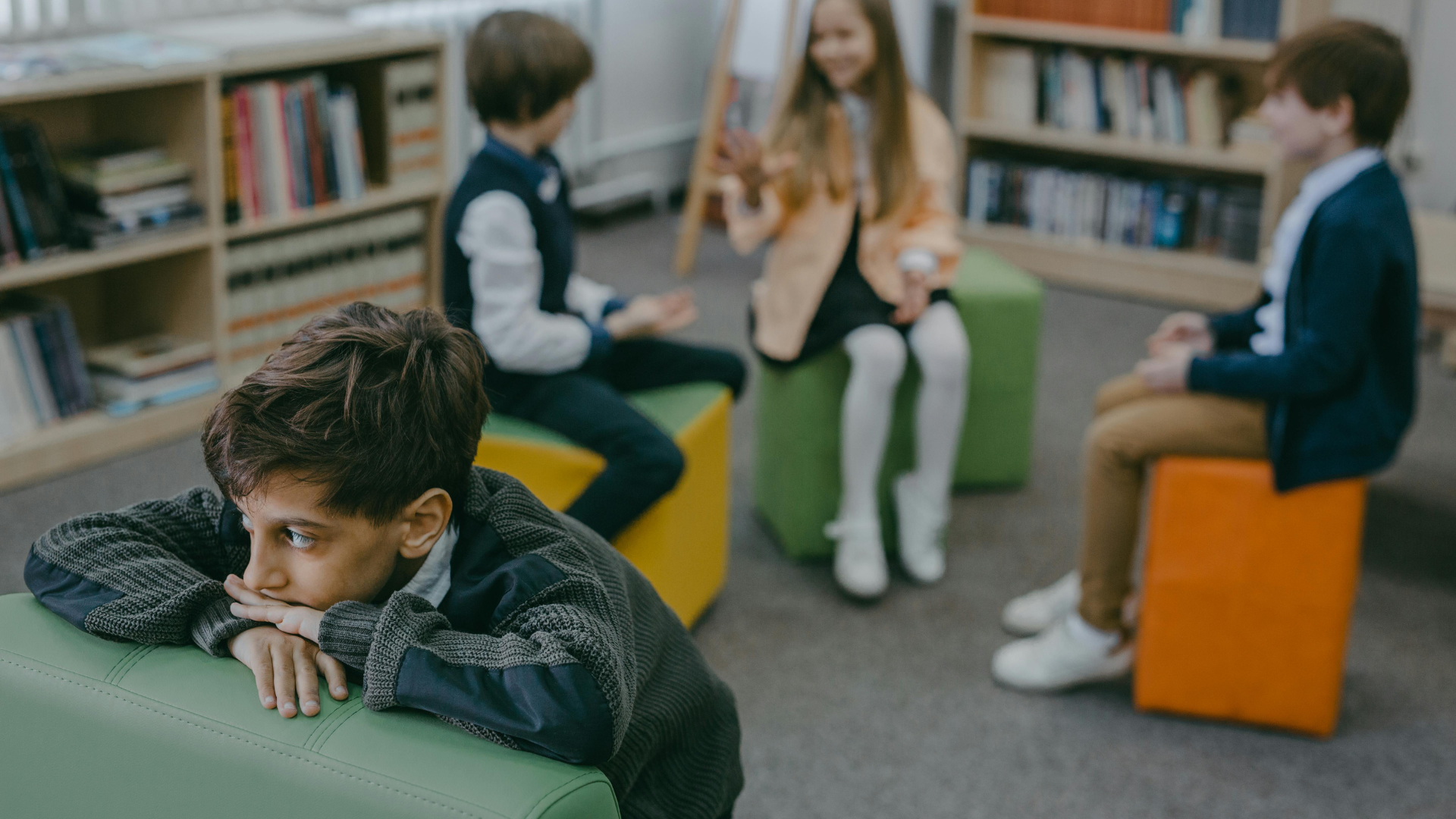
With the right support, anxious children can grow into confident, resilient, emotionally aware young people.
As child psychologists who specialize in anxiety therapy for kids, here is what we want parents to know.
What Anxiety Looks Like in Everyday Life
Anxiety doesn’t always look like fear. For many kids, it shows up as frustration, avoidance, or big emotional reactions. You may notice:
1. Physical symptoms with no clear medical cause
Physical symptoms of anxiety can be one of the first ways in which anxiety shows up.
Kids are more likely to talk about physical symptoms, especially when they are younger. Kids often describe:
Stomachaches
Headaches
Racing heart
Trouble sleeping
Feeling shaky or “weird inside”
2. Avoidance of things that feel overwhelming
Avoidance is your child's way of trying to feel safe. Therapy teaches them how to face challenges with confidence instead. You might see your child:
Refusing school
Avoiding sports, birthday parties, or playdates
Becoming clingy
Melting down before new activities
3. Emotional outbursts or perfectionism
Some anxious kids become upset when things aren’t “just right.” Others shut down completely. This can look like:
Screaming or crying when routines change
Redoing homework over and over
Fear of making mistakes
Intense embarrassment
Why Therapy Helps Anxious Kids Thrive
When a child feels anxious, their instinct is often to avoid the thing that feels scary. And while this avoidance brings quick relief in the moment, it actually teaches the brain that the anxiety was right, that the situation was dangerous and should be avoided again next time.
Over time, avoidance makes anxiety grow, not shrink.
Kids begin avoiding more things, feeling less confident, and believing they cannot handle everyday challenges.
Therapy interrupts this cycle in a gentle, structured way.
Children learn that anxiety is uncomfortable but not dangerous, and that facing fears in small, supported steps helps the brain recalibrate. Through practice, tools, and guided experiences, kids begin to realize they can handle their anxiety.
Types of Support for Anxious Kids in San Diego
Families in San Diego and La Jolla have several effective therapy options depending on a child’s age, symptoms, and personality.
Cognitive Behavioral Therapy (CBT)
CBT is the gold standard treatment for anxiety in children and anxiety in teens. It helps kids understand their thoughts, challenge worries, and practice new behaviors.
Depending on the nature of your child’s anxiety, therapy may also involve exposures.
Exposure-based therapy helps children gradually face stressful situations with support. For example, a child who is afraid of dogs will take small steps to become more comfortable with dogs by first looking at photos and videos of dogs.
Because anxiety affects the whole household, parent involvement is key. We help families learn what to say during anxious moments and how to encourage their child in difficult situations.
FAQs: Common Questions Parents Have About Anxiety Therapy
How do I know if my child’s anxiety is “normal” or needs therapy?
All kids experience fear, but persistent anxiety that disrupts sleep, school, friendships, or family life is a sign that extra support could help. When in doubt, a consultation with a child therapist can provide clarity.
How do I talk to my child about starting therapy?
Keep it reassuring and simple. You might say: “Therapy is a place where kids learn tools to help their worries feel smaller.” Or “You’ll get to meet someone who helps kids feel braver and more confident.”
What happens during a therapy session?
You can expect a mix of talking, activities, games, coping skills, and gradual practice facing fears. Sessions are adapted to your child’s age and needs.
Do parents participate?
Always. Parent involvement is one of the strongest predictors of success.
How long does therapy last?
Some children improve within a few months. Others benefit from longer-term support. We collaborate with families to set goals and monitor progress together.
Do you offer therapy for social anxiety, separation anxiety, or school anxiety?
Yes. Our clinicians specialize in anxiety across childhood and adolescence, including social anxiety, school refusal, phobias, generalized anxiety, and kids with both anxiety and ADHD.
Therapy for Anxious Kids & Teens in San Diego
If your child’s worries are getting in the way of daily life, therapy can help them feel safer, calmer, and more confident navigating the world.
Whether you're searching for a child therapist or looking for expert anxiety support in San Diego, our La Jolla practice is here to guide you with care, clarity, and evidence-based tools.
Reach out today to learn more or schedule an appointment. We are here to support your entire family.