

Helping Children Overcome Grade Anxiety
Your child just got a B on a quiz. For a lot of kids, that's no big deal — maybe a shrug and moving on. But for yours, it triggered tears, a meltdown, or a refusal to go to school the next day.
For a lot of kids who are bright and intelligent, they experience significant anxiety over their grades.
It can significantly affect how children feel about themselves, how they show up to school, and the way they learn.
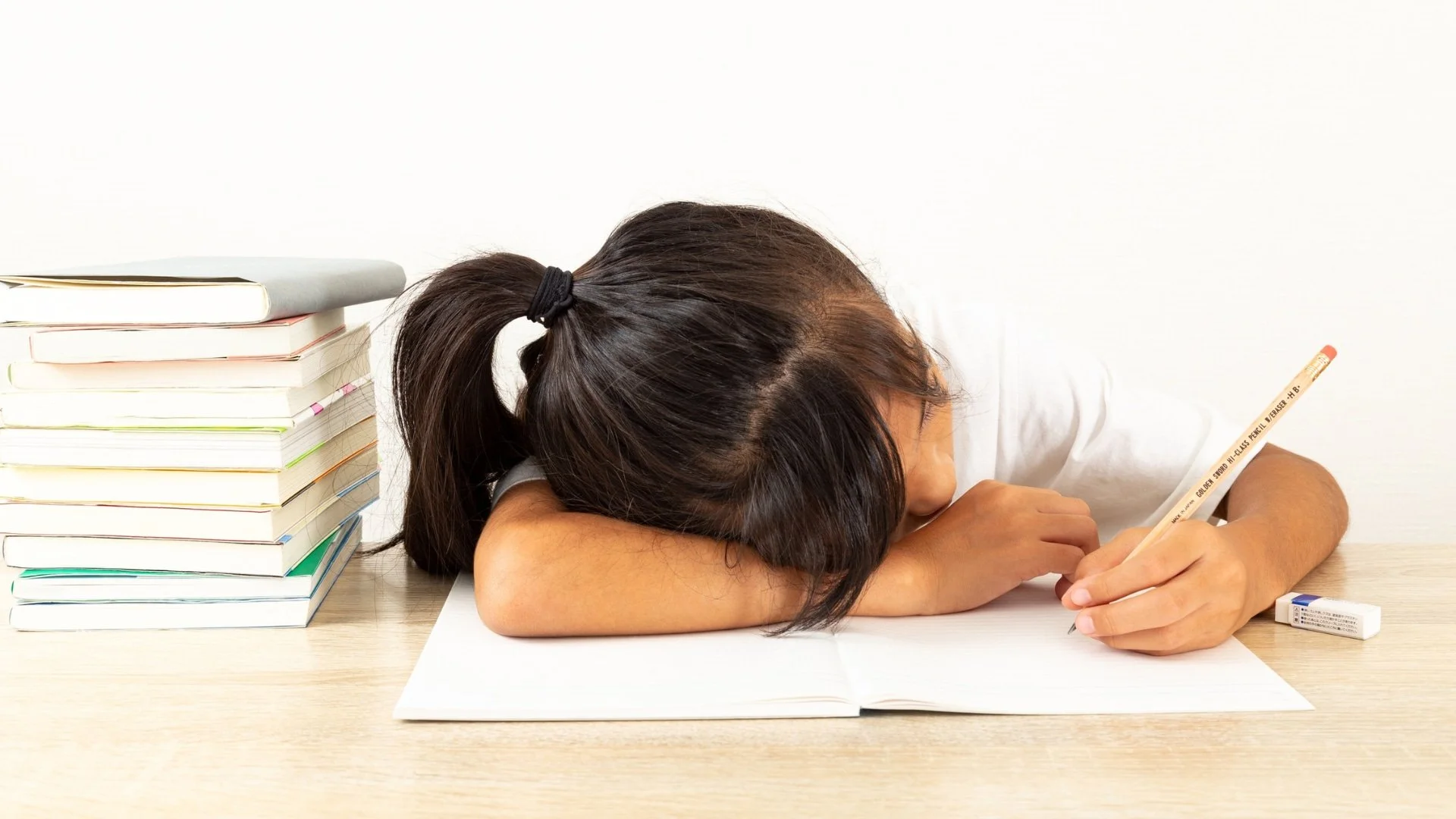
At SoCal Child Psychology in La Jolla, we work with a lot of children and teens who are struggling with academic anxiety.
This post breaks down what grade anxiety actually looks like, why it happens, and what parents can do.
What is Grade Anxiety?
Grade anxiety is more than just caring about school, and always wanting to do their best.
It's when a child's worry about their performance becomes so intense that it interferes with their ability to function.
It can occur for specific subjects like math, or it can be a general anxiety about all of their grades.
A child with grade anxiety might:
Cry, shut down, or have a meltdown after getting back a test
Refuse to turn in assignments that don't feel "perfect enough"
Avoid studying because the anxiety of not doing well feels unbearable
Have physical symptoms like stomachaches or headaches before tests
Lie awake at night worrying about school
Ask for constant reassurance from parents or teachers about whether they'll do okay
Why Are Kids Anxious About Their Grades?
One of the most common things parents say in our office is:
"I don't understand why they're so anxious about grades. We've never put that kind of pressure on them. We always tell them we just want them to do their best."
This is one of the most confusing parts of grade anxiety for parents. So where does the anxiety come from?
Some Kids Are Wired for It
Anxiety has a strong biological component. Children who are naturally more sensitive, more perfectionistic, or who tend toward negative self-evaluation are more likely to develop grade anxiety regardless of what's happening at home or school.
Comparison Culture at School
Even if parents aren't tracking every grade, kids are keenly aware of how they measure up to peers.
Comments from teachers, group work, public test returns, and even offhand remarks from classmates can create an environment where grades feel like a measure of worth.
Social Media and Achievement Culture
Older kids and teens are immersed in a culture that glamorizes high achievement.
The anxiety to perform isn't always coming from parents, but it's baked into the world they're navigating by what they see online.
Anxiety Itself Creates More Anxiety
Once a child has one bad experience with a test or grade, anxiety about the next one can become self-reinforcing.
The worry itself can interfere with studying and test-taking, which creates more "evidence" that they're going to fail, which feeds more worry. Or they may feel that when they get a good grade, they absolutely need to keep studying in order to maintain the grades they have.
Why Reassurance Doesn’t Work (Even Though It Feels Like It Should)
When your child is spiraling about an upcoming test or a grade they're not happy with, the instinct is to reassure them.
"You're going to do great."
"A B is still a really good grade."
"I'm not disappointed in you at all."
This type of reassurance is natural to give to kids when you want them to feel confident in their abilities.
The challenge is that reassurance provides short-term relief, but can actually make anxiety stronger over time.
When we reassure an anxious child, we're unintentionally communicating that the anxiety was warranted, and that there was something to worry about. Or we’re teaching them that they need to seek reassurance in order to get the grades they are hoping for.
In therapy, we call this the reassurance trap.
The more reassurance a child receives, the more they come to depend on it, and the less they trust their own ability to tolerate uncertainty.
What helps instead is helping your child sit with discomfort. This doesn't mean being cold or dismissive.
It means acknowledging the feeling without trying to immediately fix it:
"I can see you're really worried about this. That makes sense. Let's think through what you can actually do right now."
This validates the emotion while redirecting toward action and self-efficacy, rather than external comfort.
Building Self-Esteem Outside of School
One of the most powerful things a parent can do for a child with grade anxiety is to actively build their child's sense of self outside of academic performance. This sounds simple, but it requires intentionality.
When a child's identity becomes tightly wound up in being "the smart one" or "the good student," a bad grade feels like a threat to who they are.
The goal is to help your child develop a richer, more layered sense of self so that school performance is one small piece of a much bigger picture.
Model That Imperfection Is Normal
Children learn how to interpret their own mistakes in large part by watching how the adults around them handle theirs.
If you tend to beat yourself up over errors, catastrophize small failures, or only talk about your own wins, your child is absorbing that template.
One of the most effective things you can do is narrate your own imperfection out loud, casually and without drama.
This doesn't mean falling apart in front of your kid or oversharing adult stress.
It means labeling everyday mistakes in a matter-of-fact way so your child sees that errors are a normal part of life.
For example, "I burned dinner. Oops. Let's order pizza and I'll try that recipe again next week."
When to Seek Professional Support
Grade anxiety that's occasional and manageable is common. But there are signs that it may be time to talk to a child psychologist:
Your child regularly refuses to go to school, especially around test or report card days
Anxiety about grades is affecting sleep, appetite, or friendships
Meltdowns or shutdowns over grades are becoming more frequent or more intense
Your child is avoiding schoolwork entirely rather than completing it
You've tried the strategies above and nothing seems to be helping
Cognitive behavioral therapy (CBT) is the most effective evidence-based treatment for anxiety in children and teens, including anxiety that shows up around school performance.
At SoCal Child Psychology, our therapists work with kids to build the specific skills they need to tolerate uncertainty, manage anxious thoughts, and develop a healthier relationship with achievement.
You Don’t Have to Figure This Out Alone
Watching your child struggle with grade anxiety is hard—especially when nothing you say seems to help, and especially when you're not sure where the anxiety even came from.
The good news is that with the right support, children can and do get better at managing academic pressure.
If you're concerned about your child's anxiety around grades, school performance, or perfectionism,our team at SoCal Child Psychology in La Jolla is here to help.
We offer anxiety therapy for children and teens throughout San Diego, and we specialize in making sure kids and families have the tools they actually need.
Learn more about our anxiety therapy for kids and teens in San Diego.
Child Therapy for Anxiety
No parent wants to see their child held back by fear or constant worry.
At SoCal Child Psychology in La Jolla, we offer child therapy for anxiety that helps kids across San Diego feel safer, calmer, and more confident. Through play-based strategies and proven therapies, we teach children practical coping skills they can use at school, at home, and with friends.
Parents are also included in the process, so you’ll have tools to support your child along the way. Contact us today to learn more about anxiety therapy for children in San Diego and how it can bring peace back to your family.