

7 Physical Symptoms of Anxiety in Children
Your child says their stomach hurts again. It's Monday morning, there's a big test at school, or maybe nothing obvious is happening at all.
You've been to the pediatrician. There’s nothing physical that’s causing their stomachaches, and yet your child is still complaining about it all the time.
If this sounds familiar, you're not alone, and your instincts are right to keep searching for answers.
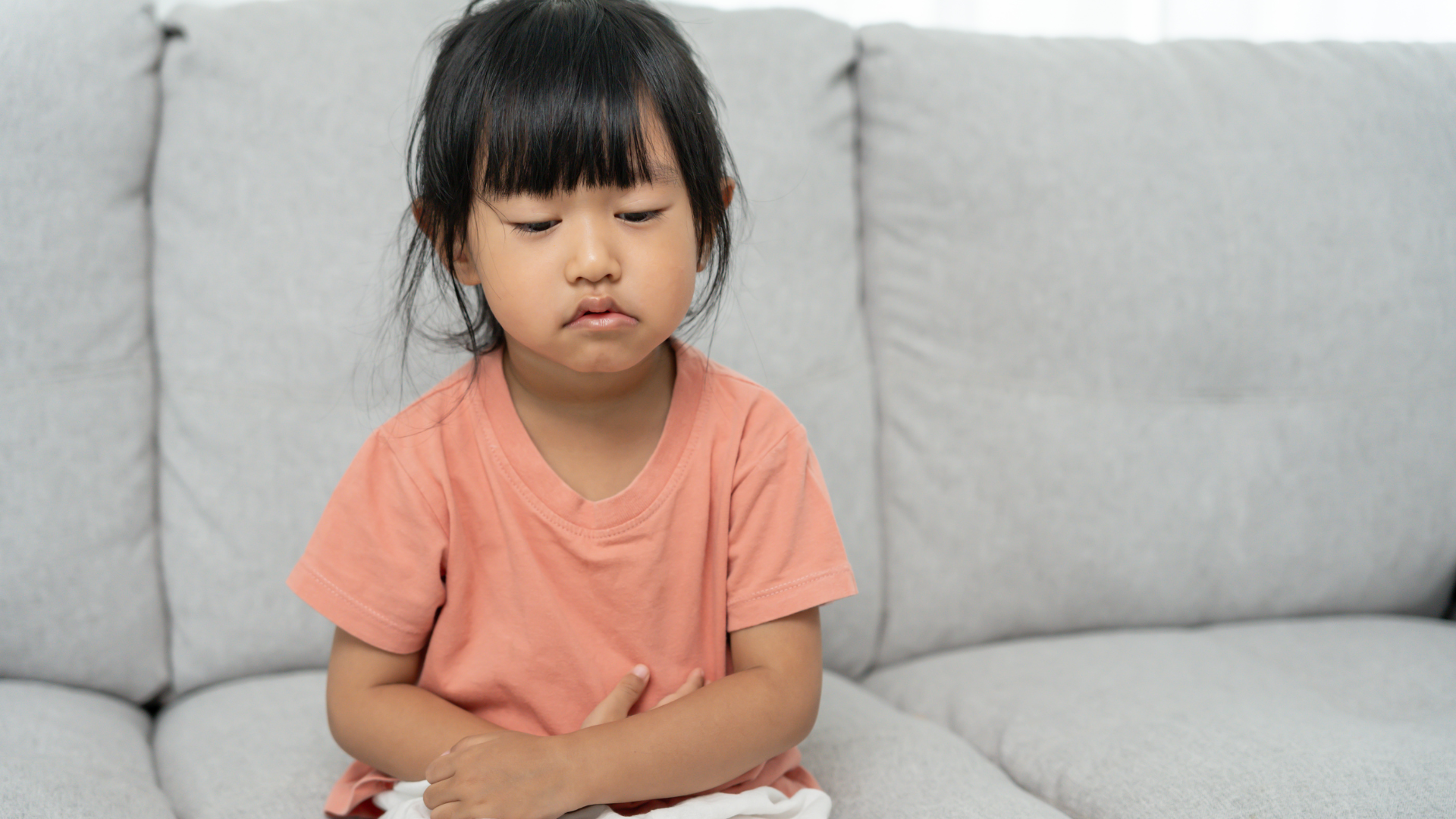
What many parents in La Jolla and San Diego don't realize is that anxiety in children frequently shows up as physical symptoms first, long before a child can say "I feel worried."
As a child psychologist specializing in anxiety therapy for kids, I see this pattern constantly.
Parents come in having spent months and sometimes years treating the physical complaint, never connecting it to anxiety.
Here are 7 physical signs of anxiety in children that are often mistaken for illness.
1. Recurring Stomachaches (Especially Before School or Events)
This is the most common physical symptom of anxiety in children, and it's very real.
The gut and the brain are deeply connected through what scientists call the gut-brain axis.
When a child feels anxious, the nervous system triggers genuine gastrointestinal distress: cramping, bloating, nausea, or pain.
The telltale pattern? The stomachache appears consistently before something stressful, such as school mornings, social events, tests, or transitions, and tends to disappear once the stressor has passed (or if the child is allowed to stay home).
If your child's pediatrician has cleared them medically and the stomachaches keep coming back, anxiety should be on your radar.
2. Frequent Headaches With No Medical Explanation
Tension headaches are another hallmark physical symptom of anxiety in children.
Chronic stress activates the body's fight-or-flight response, tightening muscles in the neck, shoulders, and scalp, all of which contribute to headaches.
Anxious children often describe a dull, pressure-like headache that comes on during or after school, during homework, or before bed. Like stomachaches, the pattern is the clue.
A headache that reliably appears before high-pressure situations, and not on weekends or school breaks, is worth a closer look.
3. Nausea and Feeling "Sick to Their Stomach"
Beyond stomachaches, many anxious children describe a persistent feeling of nausea, especially in the morning or in anticipation of something scary.
This is anxiety activating the body's stress response, which slows digestion and diverts blood flow away from the gut.
Some children with anxiety also develop a secondary fear around the nausea itself, worrying they will vomit at school, in front of friends, or in public.
This can spiral into avoidance behaviors. If your child has developed a fear of choking, gagging, or vomiting alongside their nausea, this post on fear of choking in children may be a helpful read.
4. Fatigue and Low Energy
Anxiety is exhausting. When a child is in a near-constant state of worry, their body is working overtime.
The stress hormones (cortisol and adrenaline) that flood the system during anxious periods are physically draining, and many anxious children complain of tiredness, difficulty concentrating, or feeling "heavy" even after a full night of sleep.
This symptom is particularly easy to miss because it doesn't look like anxiety on the surface.
A tired, unmotivated child is more often flagged for ADHD or depression than anxiety.
In fact, anxiety and ADHD can look remarkably similar, and if you've ever wondered which one your child is dealing with, this post on ADHD vs. anxiety in kids breaks down the key differences and why proper testing matters.
5. Muscle Tension, Aches, and Physical Restlessness
Anxious children are often described as "wound tight." That's because anxiety keeps the body in a low-level state of physical alert, with muscles are braced, shoulders are raised, jaws are clenched.
Over time, this chronic tension causes very real physical discomfort: sore shoulders, tight necks, stomachs that feel "knotted," or legs that feel restless.
Children may not connect these feelings to anxiety at all. They'll simply say their back hurts, or that they feel "weird" in their body, or that they can't get comfortable.
Nighttime is often when this becomes most apparent, as the body tries to release the tension of the day.
6. Sleep Problems — Trouble Falling Asleep, Nightmares, or Waking at Night
Anxiety and sleep are deeply intertwined. Bedtime removes the distractions of the day and leaves a child alone with their thoughts, which is prime territory for anxious minds to take over.
Many anxious children struggle to fall asleep, experience frequent nightmares, or wake repeatedly in the night, convinced that something is wrong.
Parents often interpret this as a sleep disorder, bad habits, or attention-seeking behavior.
But the racing thoughts, the need for reassurance at bedtime, the catastrophic fears ("what if someone breaks in?") are hallmarks of anxiety.
If you've been wondering whether your child's worry level has crossed into something that needs attention, this post on when to be concerned about your child's anxiety is a good next step.
7. Racing Heart, Dizziness, or Shortness of Breath
These symptoms are less common in everyday anxiety but are classic signs that a child's anxiety has escalated into a panic response.
When the brain perceives a threat (even an imagined one), it floods the body with adrenaline — causing a racing or pounding heart, lightheadedness, tingling in the hands, or a feeling that it's hard to breathe.
Children experiencing these symptoms are often terrified, both by the sensation and by the fear that something is medically wrong with them.
They may describe it as "feeling like I'm going to die" or "feeling like the room is spinning."
These episodes are not dangerous, but they are distressing and very real, and they are a clear signal that anxiety has become clinically significant.
If you're noticing these symptoms in your child, it may be time to consult with a child anxiety specialist. Learn more about anxiety therapy for children at my La Jolla practice.
What To Do If You Recognize These Signs
If several of the symptoms above sound familiar, here's a simple path forward:
Rule out medical causes first. Always start with your child's pediatrician to ensure there isn't an underlying physical condition.
Look for the pattern. Anxiety symptoms tend to cluster around stressors. Track when the symptoms appear, and you'll likely notice a pattern quickly.
Don't wait for a crisis. Anxiety is highly treatable, especially when addressed early. You don't need to be in a breaking-point situation to seek support.
Reach out to a specialist. A child therapist who specializes in anxiety can assess what's happening and recommend the right approach.
Ready to Get Support for Your Child?
If your child is struggling with physical symptoms that may be rooted in anxiety, I'm here to help.
As a child psychologist serving families in La Jolla, San Diego, Carmel Valley, Del Mar, and surrounding areas, we specialize in evidence-based anxiety therapy for children that is compassionate, effective, and tailored to your child's needs.
Child Therapy for Anxiety
No parent wants to see their child held back by fear or constant worry.
At SoCal Child Psychology in La Jolla, we offer child therapy for anxiety that helps kids across San Diego feel safer, calmer, and more confident.
Through play-based strategies and proven therapies, we teach children practical coping skills they can use at school, at home, and with friends. Parents are also included in the process, so you’ll have tools to support your child along the way.
Contact us today to learn more about anxiety therapy for children in San Diego and how it can bring peace back to your family.