

Anxiety Avoidance in Children: Why Avoidance Makes Anxiety Worse and How Therapy Helps
Many parents notice the same confusing pattern. Their child seems anxious, so they try to protect them by letting them avoid stressful situations.
Over time, instead of getting better, the anxiety grows. Anxiety avoidance in children is one of the most common ways anxiety is unintentionally reinforced.
Understanding this cycle is often the turning point for families seeking therapy for child anxiety.
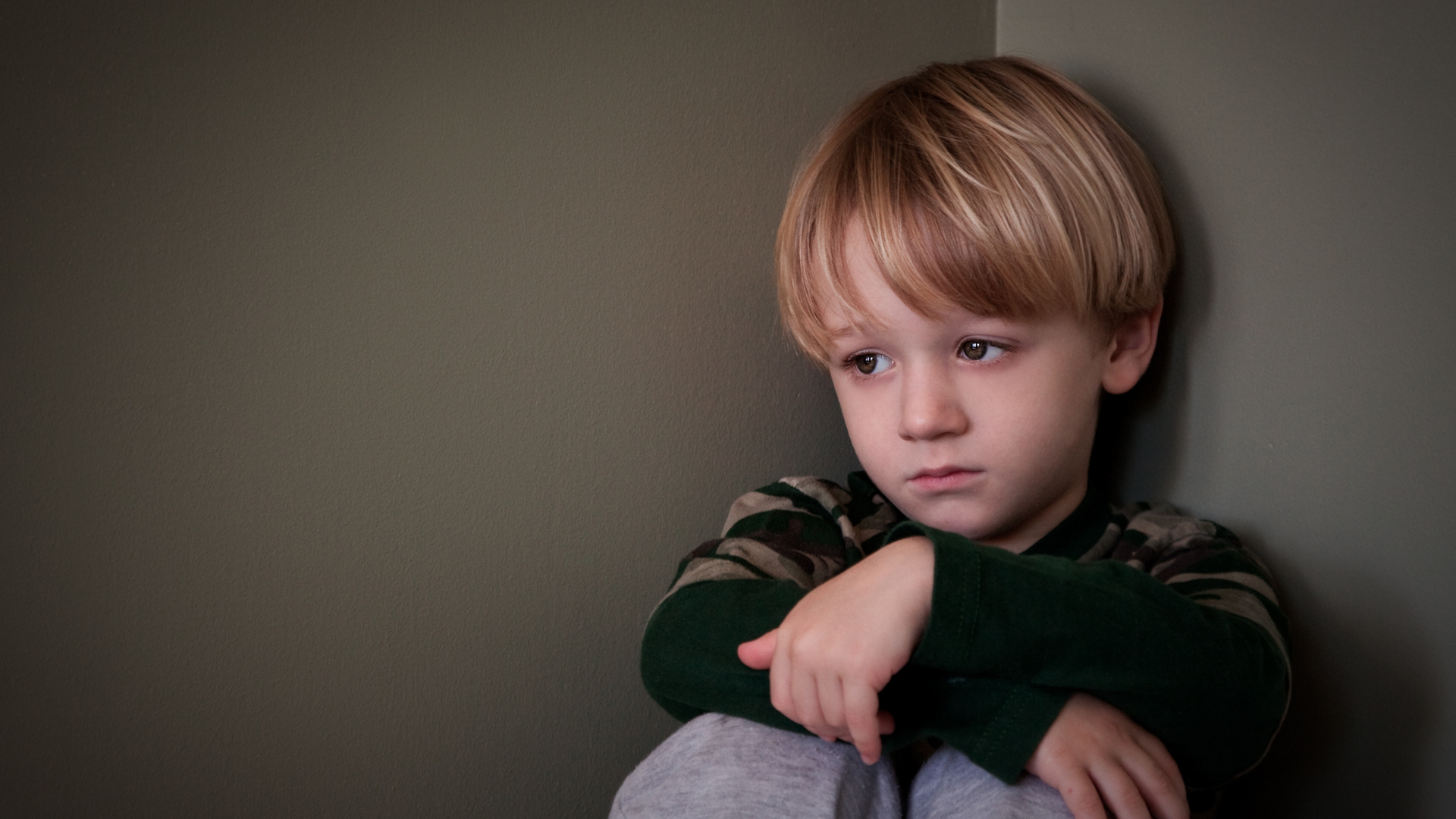
As a child psychologist working with children and families in Southern California, I see this pattern daily.
Once parents understand what avoidance does to anxiety, they are better equipped to support real change.
This post will explain why avoidance makes anxiety worse, how it shows up in daily life, and how therapy helps children slowly build confidence instead of fear.
What Is Anxiety Avoidance in Children?
Anxiety avoidance happens when a child consistently avoids situations that make them feel anxious, uncomfortable, or unsure.
Common examples include:
Refusing school, preschool, or daycare
Avoiding social situations like playdates or parties
Needing parents to speak or act on their behalf
Avoiding new experiences or transitions
Why Avoidance Feels Helpful in the Moment
Avoidance works in the short term. When a child avoids the feared situation, their anxiety drops quickly.
That immediate relief teaches the brain an important lesson: “I was safe because I avoided.”
Unfortunately, the brain does not learn that the situation itself is safe. It learns that avoidance is necessary.
This makes it much more likely that your child will avoid the same situation in the future.
Over time, this creates a powerful anxiety loop:
Anxiety shows up
Avoidance happens
Anxiety temporarily decreases
Avoidance becomes the go-to strategy
This is why anxiety symptoms in preschoolers and older children often grow rather than shrink when avoidance becomes the primary coping tool.
Common Avoidance Behaviors in Anxious Children
Avoidance is not always obvious. Many children still attend school or activities but rely on subtle avoidance strategies.
Common anxiety avoidance behaviors include:
Frequent complaints of stomachaches or headaches
Asking to stay home even when physically well
Needing a parent to stay nearby during activities
Using headphones while in public to avoid talking
Avoiding eye contact so that they aren’t as noticeable to others
Why Accommodating Avoidance Feels Helpful But Backfires
For many children, they rely on their parents to help them regulate their emotions. This is normal, and it’s normal for you to want to protect your child and their emotions.
When children rely on their parents to help them avoid situations that cause anxiety, we call this accommodation.
Parents accommodate a child’s anxiety by helping them avoid the challenging situation. It’s important to note that this is normal, and it can feel necessary in the moment.
Examples include:
Letting a child skip school after a meltdown
Speaking for a child to avoid discomfort
Avoiding talking about a situation that causes anxiety
While these responses reduce anxiety in the short term, they strengthen avoidance in the long term. The child never has the opportunity to learn that anxiety can be tolerated and that feared situations are manageable.
This does not mean parents should force or overwhelm their child. The goal is to support without reinforcing avoidance.
If you have noticed that you are struggling to know how to support your child without accommodating their anxiety, therapy may help.
Early support often prevents anxiety from becoming more entrenched and disruptive over time.
At SoCal Child Psychology, we work with children, teens, and families across Southern California through in-person services in La Jolla and telehealth throughout California.
Our approach to anxiety treatment is evidence-based, developmentally appropriate, and parent-inclusive.
If you are wondering whether your child’s avoidance is driven by anxiety, reaching out for a consultation can provide clarity and next steps.
Child Therapy for Anxiety
No parent wants to see their child held back by fear or constant worry. At SoCal Child Psychology in La Jolla, we offer child therapy for anxiety that helps kids across San Diego feel safer, calmer, and more confident.
Through play-based strategies and proven therapies, we teach children practical coping skills they can use at school, at home, and with friends. Parents are also included in the process, so you’ll have tools to support your child along the way.
Contact us today to learn more about anxiety therapy for children in San Diego and how it can bring peace back to your family.