

If you are noticing big emotions, frequent worries, or behavior changes in your young child, you are not alone.
Anxiety in preschoolers is more common than many parents realize, and it can look very different from anxiety in older children or adults.
Parents often ask whether what they are seeing is just a phase or something that needs support.
Understanding the signs of anxiety in preschoolers can help you respond with confidence and compassion rather than fear or self-blame.
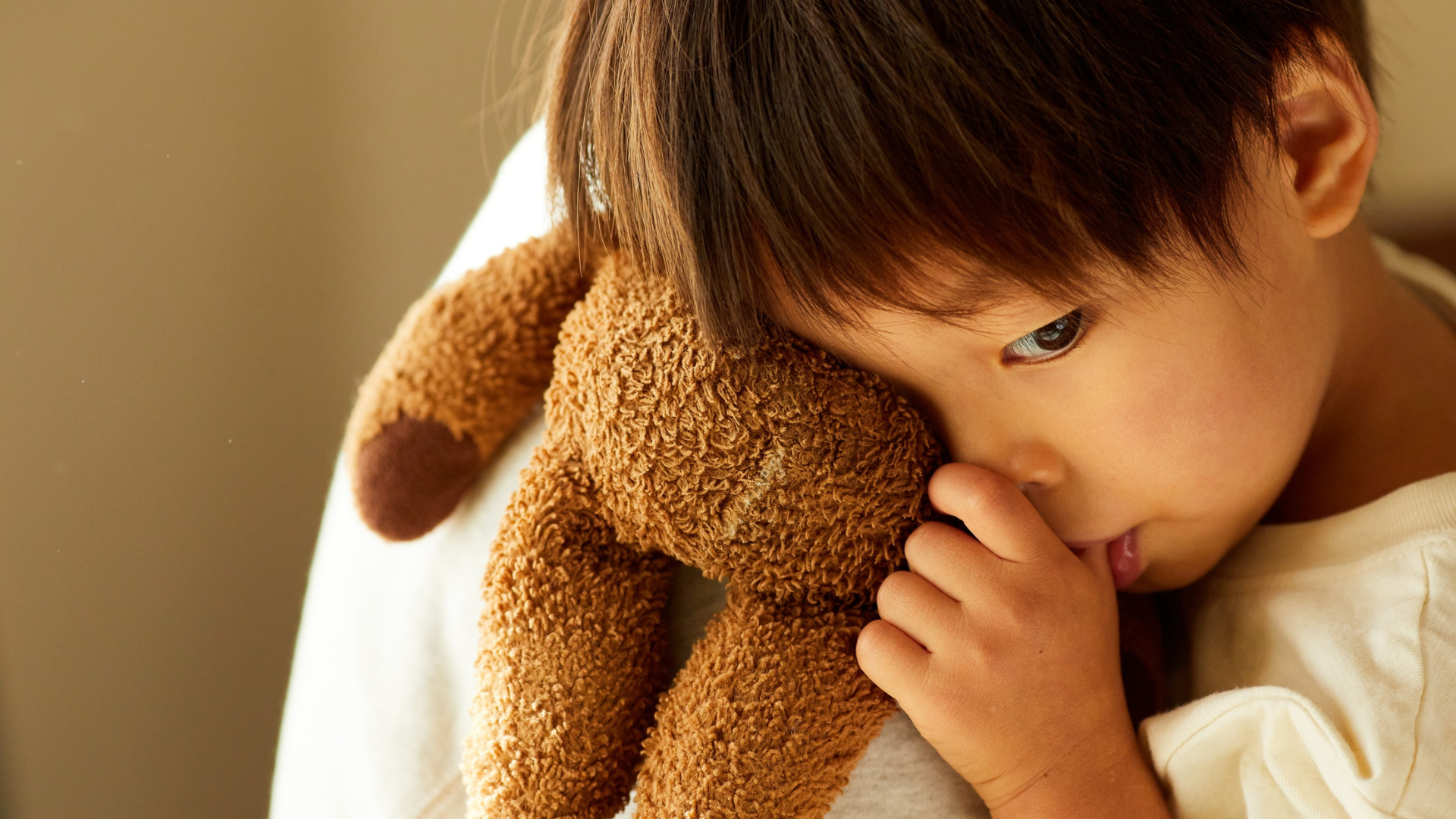
As a team of child therapists in San Diego who work closely with families of young children, I want to help you understand what anxiety can look like in children under five, when it may signal an anxiety disorder, and what effective support looks like.
Anxiety in Preschoolers Is Real and Treatable
It is a myth that preschoolers are too young to experience anxiety.
While all young children experience fears and worries at times, some children experience anxiety more frequently and more intensely.
Anxiety in children under 5 can interfere with daily life, relationships, sleep, and early learning.
The good news is that early support is highly effective and can prevent anxiety from becoming more entrenched over time.
What Anxiety Looks Like in Preschoolers
Preschoolers often lack the language to say “I feel anxious.” Instead, anxiety tends to show up through behavior, physical complaints, and emotional reactions.
Below are some of the most common anxiety symptoms in preschoolers that parents notice.
Signs of Anxiety in Preschoolers
1. Excessive Worry or Fear
Some worry is developmentally normal. Anxiety may be present when worries are intense, persistent, or out of proportion to the situation.
Examples include:
Fear of being separated from parents, even in familiar settings
Strong worries about preschool, caregivers, or daily routines
Fear of everyday situations like using the bathroom alone or playing with peers
2. Physical Complaints Without a Medical Cause
Young children often experience anxiety in their bodies. Common complaints include:
Stomachaches or nausea
Headaches
Frequent trips to the bathroom
Complaints of feeling sick before school or activities
These physical symptoms often improve when the anxiety trigger is removed.
3. Emotional Outbursts or Frequent Meltdowns
Anxiety can overwhelm a preschooler’s developing nervous system. You may notice:
Intense tantrums that seem to come out of nowhere
Difficulty calming down once upset
Increased irritability or clinginess
These behaviors are often misinterpreted as defiance rather than distress.
4. Sleep Difficulties
Sleep disruptions are a very common sign of anxiety symptoms in preschoolers.
This may include:
Trouble falling asleep
Nighttime fears or nightmares
Frequent nighttime awakenings
Refusal to sleep alone
Anxiety often intensifies at night when distractions are gone.
5. Avoidance of Age-Appropriate Activities
Preschoolers with anxiety may avoid situations that feel uncomfortable or unpredictable.
Examples include:
Refusing to attend preschool or activities they previously enjoyed
Avoiding playdates or group settings
Becoming frozen or withdrawn in new environments
Avoidance provides short-term relief but can increase anxiety over time.
When Is It an Anxiety Disorder in Preschoolers?
An anxiety disorder in preschoolers is considered when anxiety:
Occurs most days
Interferes with daily functioning
Causes significant distress for the child or family
Does not improve with reassurance or time
Anxiety disorders in young children are diagnosed based on behavior, emotional responses, and family input rather than formal testing.
What Causes Anxiety in Preschoolers?
Anxiety rarely has a single cause. It is often a combination of factors, including:
Temperament and sensitivity
Family history of anxiety
Big life changes or transitions
Stressful or unpredictable environments
How Parents Can Support an Anxious Preschooler
There are a lot of strategies that parents can use at home to support their anxious preschooler.
These are some strategies that I recommend for parents who are concerned about how to help their children through anxiety-provoking situations rather than worsening them.
Validate Feelings Without Reinforcing Fear
Instead of saying “There’s nothing to worry about,” try:
“I see this feels scary for you.”
“I know your body feels worried right now.”
Validation helps your child feel understood without confirming that danger is present.
Keep Routines Predictable
Predictability reduces anxiety for young children. Consistent routines around sleep, meals, and transitions help the nervous system feel safer.
Avoid Over-Reassurance
Repeated reassurance can unintentionally teach children that anxiety must be eliminated before they can cope. Gentle encouragement builds confidence.
Model Calm Responses
Children borrow their regulations from adults. Your calm presence helps your child’s nervous system settle even when they are distressed.
Anxiety in Preschoolers: Treatment Options
Anxiety in preschoolers treatment is most effective when it is developmentally appropriate and family-focused.
Treatment may include:
Parent-focused therapy to learn supportive strategies
Play-based interventions
Gradual exposure to feared situations
Emotion regulation skill building
For young children, therapy often focuses more on coaching parents than direct talk therapy with the child.
At SoCal Child Psychology, we have several therapists trained in the SPACE treatment, which is specifically focused on strategies that parents can utilize with their children.
This treatment has been shown to be as effective as if a therapist were to meet with your child, and involves only participation from parents.
When to Seek Professional Help
Consider reaching out to a child psychologist or child therapist if:
Anxiety interferes with preschool or family life
Symptoms persist for several months
Your child’s world is becoming increasingly restricted by their anxiety symptoms
You feel unsure how to help despite your best efforts
Early intervention for anxiety can make a meaningful difference and reduce the long-term impact on their anxiety symptoms. Treatment for anxiety symptoms can be relatively short-term, if it is caught early.
Support for Families in La Jolla and San Diego
If you are concerned about anxiety in your young child and live in La Jolla or San Diego, working with a licensed therapist who understands early childhood development can help you feel less alone and more confident in your approach.
At SoCal Child Psychology, we support families through therapy that is warm, evidence-based, and practical. We focus on helping parents understand what their child’s behavior is communicating and how to respond in ways that build long-term emotional resilience.
Reach out to us to schedule an appointment or utilize our online booking site to schedule your initial appointment with one of our licensed therapists.