

Why Does My Child Meltdown at Loud Events? A La Jolla Child Psychologist Explains
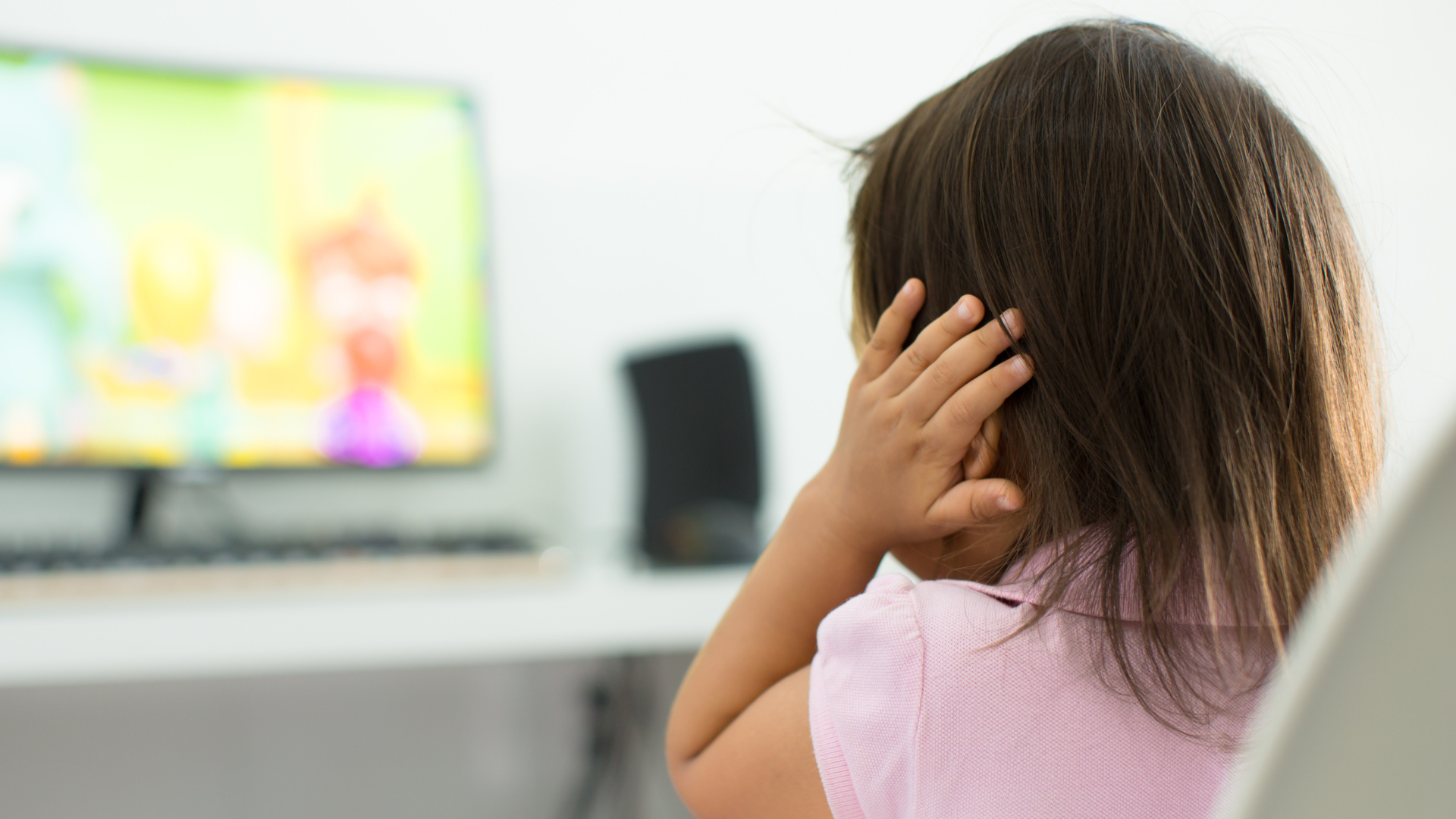
We've sat with a lot of parents the day after a fireworks show or a birthday party went sideways.
The story is usually the same: your child was excited to go, something shifted once the noise picked up, and within minutes you were carrying a screaming or shut-down kid out to the car while other families watched.
If you've replayed that moment wondering whether you pushed too hard, or whether something is wrong with your child, we want to answer that before going any further: no.
This is common, and there are strategies that can help your child.
What Does a Sensory Meltdown at a Loud Event Actually Look Like?
Parents describe a similar pattern, whether the trigger is a school assembly, a concert, or a crowded restaurant with a birthday song.
Watch for these signs of a sensory meltdown:
Hands clamped over ears well before the sound peaks
Sudden crying, screaming, or an attempt to bolt for the exit
Going still and freezing, almost like they've checked out
A hard "crash," like exhaustion or tears, once you finally reach someplace quiet
Is My Child Sensitive to Loud Noises Because of Anxiety or Sensory Overload?
An anxious child is usually reacting to uncertainty and new situations as much as sound. Will it get louder? When does it stop? What happens if I need to leave and can't?
That anticipation piles on top of the noise itself, so the child is worn down before anything has even gone wrong.
A neurodivergent child, including many autistic kids with sensory issues, is often reacting to the sound itself.
Most brains filter out background noise automatically.
Many neurodivergent brains don't have that filter, so every sound competes for attention at once, at full volume, whether it's a siren or a fork against a plate.
In practice, we see plenty of kids dealing with both at the same time: the sensory system is already working overtime, and the worry about when it'll happen again adds a second layer on top.
What You Can Do Before the Next Loud Event
A few adjustments go a long way, and none of them require skipping the event altogether.
Preview what's coming. A quick walkthrough of the schedule, or even a photo of the venue, cuts down the anticipatory worry significantly.
Pack sensory tools. Noise-reducing headphones or earplugs are an accommodation, not a crutch, the same way glasses help someone see the board clearly.
Respond to the early signals. Covering ears, going quiet, or gripping your hand tighter usually shows up minutes before things boil over.
Skip the debrief in the moment. A child who just melted down needs time to settle, not feedback. Save that conversation for the next calm, quiet day.
When to Seek Professional Support
Occasional overwhelm at loud events is developmentally normal.
It's worth a closer look when meltdowns are frequent, intense, or starting to shrink your family's world, for instance if you're quietly skipping birthdays, school events, or family gatherings to avoid one.
A thorough evaluation sorts out what's driving the pattern, whether that's anxiety, sensory processing differences or autism, or a combination, because the right support looks different depending on what's underneath.
As a San Diego child therapist team, this is exactly the kind of nuanced assessment we specialize in.
FAQs About Sensory Meltdowns and Loud Events
Can a child grow out of sensory sensitivity to loud sounds?
Many kids build meaningful tolerance over time with the right support, though the underlying sensitivity, especially in autism, often stays part of how their brain and body process the world.
Should I just avoid loud events altogether?
Usually, no. Avoidance can feel protective short-term but tends to shrink a child's world over time.
A better goal is gradual exposure with real supports in place, like an exit plan and a low-stakes signal to leave early.
Many families also find it helpful to set smaller goals at first, such as the goal of trying to attend an event but for a shorter amount of time.
How a San Diego Child Therapist Can Help Your Family
If you've been second-guessing every outing because you're bracing for the next meltdown, it can be hard to know the best way to support your child.
We work with kids and teens across San Diego, including many families here in La Jolla, who are navigating exactly this overlap between anxiety and sensory processing.
With the right plan, most kids build real, lasting capacity to handle loud, unpredictable environments.
If this sounds like your family, reach out to schedule a consultation.
We offer in-person sessions in La Jolla and telehealth throughout California, and we'd be happy to help you figure out what's underneath the meltdowns and build a plan that actually fits your child.
Child Therapy for Anxiety
No parent wants to see their child held back by fear or constant worry. At SoCal Child Psychology in La Jolla, we offer child therapy for anxiety that helps kids across San Diego feel safer, calmer, and more confident.
Through play-based strategies and proven therapies, we teach children practical coping skills they can use at school, at home, and with friends.
Parents are also included in the process, so you’ll have tools to support your child along the way.
Contact us today to learn more about anxiety therapy for children in San Diego and how it can bring peace back to your family.