

“Everyone Is Better Than Me”: What It Means When Your Child Compares Themselves to Others
You're driving home from soccer practice and your child says it again: "I'm the worst one on the team."
You list every reason that's not true, but they can always find a reason to believe they’re the worst on the team, or that you’re not telling the truth.
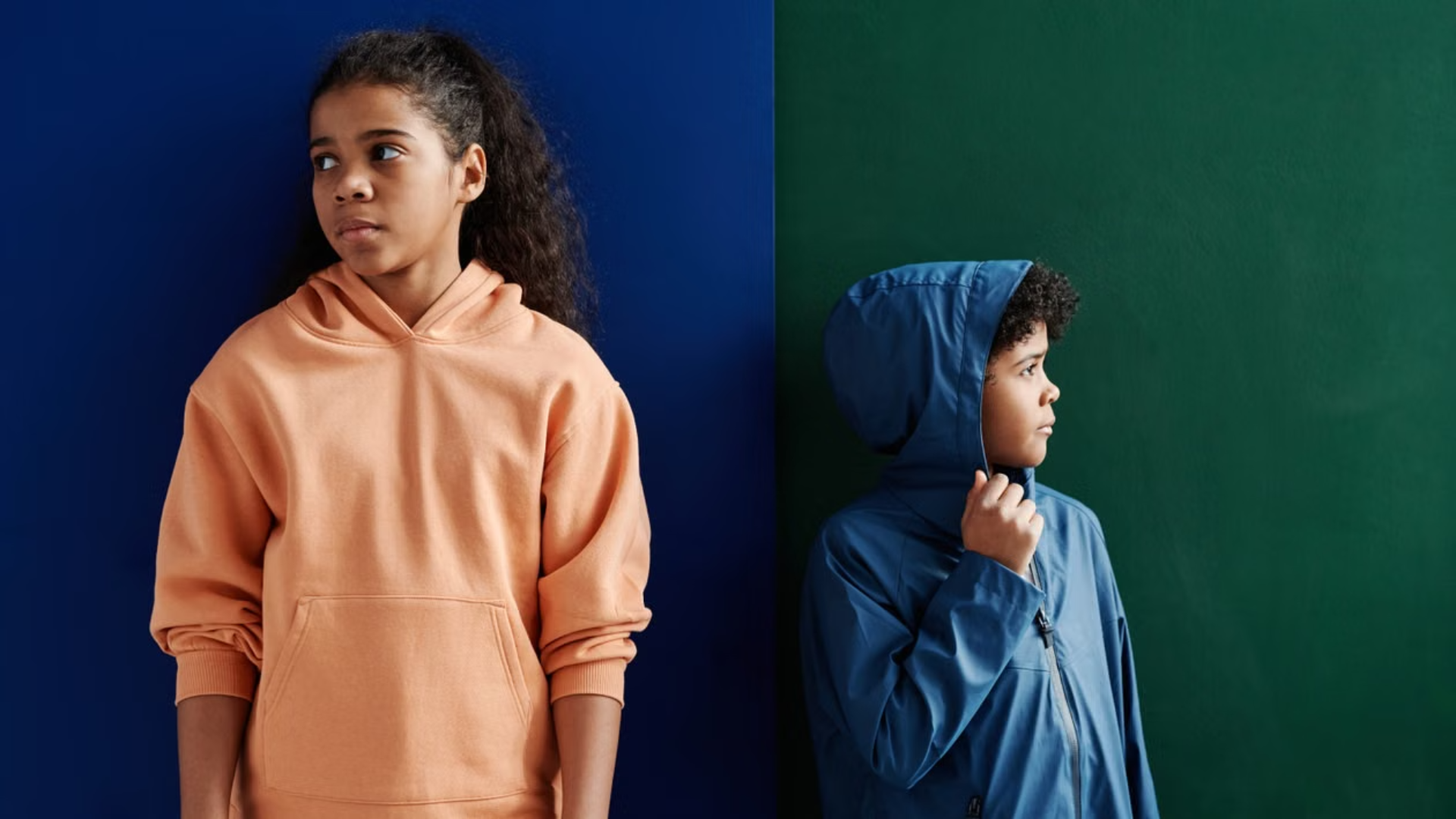
If this sounds familiar, your child’s confidence and comparisons could be a sign of anxiety. In this blog, we’ll share how to determine if this comparison is anxiety, and what you can do to support your child.
Why Some Kids Always Compare Themselves
Comparison and anxiety are closely linked through something psychologists call self-monitoring, which is the constant, often exhausting habit of scanning your own performance against everyone else's for signs of danger or failure.
Kids with anxiety tend to measure their worth through performance and social standing because it feels like the only reliable way to predict whether they're safe, liked, or good enough.
High-achieving environments, the kind common throughout San Diego and La Jolla schools and clubs, tend to amplify this comparison, since there's always another benchmark, another teammate, another classmate to measure against.
Especially for children and teens who are in the college application cycle, comparison can feel like a natural behavior.
However, constant comparison is often a symptom of underlying anxiety.
When a child says "everyone is better than me," they are rarely making an objective evaluation of the soccer field or the classroom.
More often, comparison is a way of expressing a fear of failure or a fear of rejection, dressed up as a statement of fact.
"I'm the worst on the team" can really mean "I'm afraid I don't belong here" or "I'm afraid you'll be disappointed in me."
Anxiety isn’t rational, and so even if you offer them factual statements and examples of why it isn’t true, it’s hard for them to start to believe it.
How to Respond to Your Child’s Negative Self-Talk
Arguing against the comparison, even with love and good intentions, tends to backfire, because it puts you and your child on opposite sides of the conversation instead of on the same side of the feeling.
Rather than debating the claim, try getting curious about what's underneath it.
Something like, "that sounds like you’re feeling worried, what's making practice feel that way today?" opens the conversation around their thoughts and worries.
You can also validate their feelings without agreeing with the comparison or worry.
You can say, "it makes sense you're disappointed if that pass didn't go how you wanted," without confirming that they actually are the worst player on the team.
As for when to let it go versus when to follow up, a single comment after a rough practice is usually worth a gentle, curious response and nothing more.
A pattern that repeats across settings, sports, school, friendships, is worth a longer conversation, and possibly outside support.
When to Get a Professional Involved
Certain signs suggest frequent comparison is tied to something more than an off day:
Comparison that shows up daily rather than occasionally,
Comparison paired with perfectionism in children, like redoing homework repeatedly or melting down over small mistakes, or
Comparison that's starting to affect your child's willingness to try new things at all.
These patterns often point to anxiety which is very common in school-age kids and teens.
Even if these patterns aren’t showing up daily, if they are leading to significant distress or getting in the way of your child doing things they love, they may benefit from support.
Therapy helps kids reframe their internal narrative by giving them language for the fear underneath the comparison and practical tools for questioning anxious thoughts instead of automatically believing them.
Therapy also focuses on encouraging kids to participate in the activities they want to even when they’re worried about the outcomes.
If your child seems stuck in a loop of "not good enough," cognitive behavioral therapy may be helpful for them.
Our team supports anxious kids throughout San Diego and La Jolla, both in person and via telehealth across California.
Child Therapy for Anxiety
No parent wants to see their child held back by fear or constant worry. At SoCal Child Psychology in La Jolla, we offer child therapy for anxiety that helps kids across San Diego feel safer, calmer, and more confident.
Through play-based strategies and proven therapies, we teach children practical coping skills they can use at school, at home, and with friends. Parents are also included in the process, so you’ll have tools to support your child along the way.
Contact us today to learn more about anxiety therapy for children in San Diego and how it can bring peace back to your family.