

Does My Teen Have Social Anxiety? How to Tell When Your Child Is Struggling
Does your teenager dread parties, avoid group projects, or spend hours replaying conversations in their head wondering if they said something wrong?
Maybe they've stopped wanting to go to school, or they come up with an excuse every time a social event is on the calendar.
As a parent, it's hard to know: is this just normal teenage awkwardness, or is something more going on?
It's a question I hear often from San Diego parents, and it's one worth taking seriously.
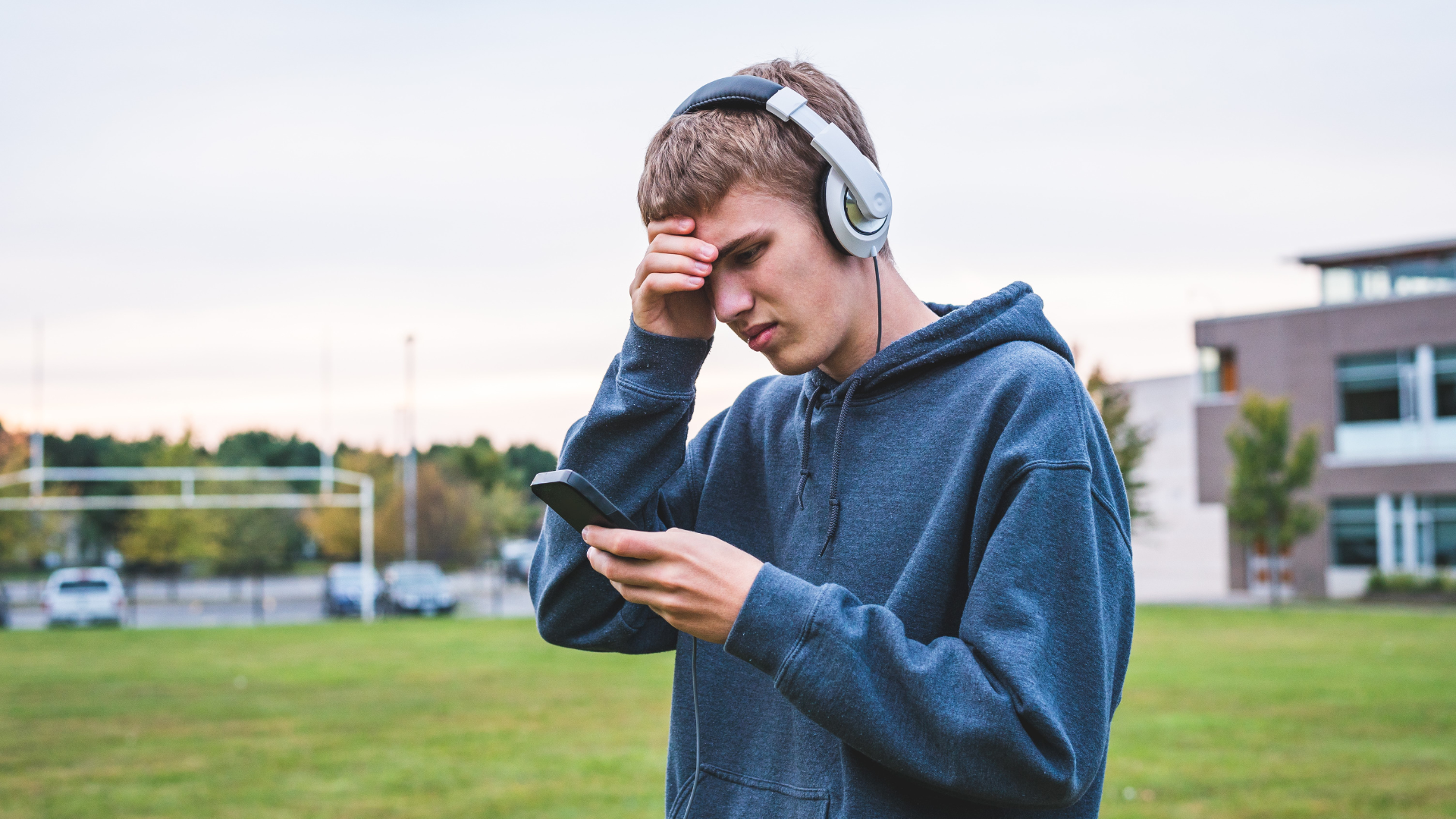
Social anxiety is one of the most common anxiety disorders in teens, and also one of the most frequently missed.
Because teens with social anxiety often work hard to look fine on the outside, the struggle can be invisible until it becomes impossible to hide.
What Social Anxiety Actually Looks Like in Teens
Social anxiety isn't just shyness. It's an intense, persistent fear of being judged, embarrassed, or humiliated in social situations.
For teens, the social world is everything, which means social anxiety can touch nearly every part of their life.
You might notice your teen avoiding or dreading social situations like parties, school events, or even just lunch in a crowded cafeteria.
They might worry excessively before social events, sometimes for days in advance. They may ask you to make phone calls or handle interactions they feel they can't manage themselves.
Other signs include being extremely self-critical after social situations (convinced they said something embarrassing)
Refusing to speak up in class or participate in group activities
Having a shrinking social circle, or complaining of stomachaches, headaches, or nausea on school days.
It's also worth knowing that social anxiety in teens can look like defiance or disinterest.
When your teen says 'I don't want to go,' they might really mean 'I'm terrified to go and I don't know how to explain that.'
The Difference Between Shyness and Social Anxiety
Lots of teens are a little shy or feel awkward in new situations. That's completely normal.
The difference is in how much the fear interferes with their life and how much distress it causes.
A shy teen might be quieter in groups but still engages, still goes to school, still maintains friendships.
A teen with social anxiety may begin avoiding school, withdrawing from friends, and feeling a level of distress that doesn't get better on its own over time.
The other key marker is what's driving it. Social anxiety involves a fear of negative evaluation, a very specific and crushing worry about what others think.
Even when nothing bad has happened, the anxious brain assumes the worst.
Why Teens Often Don't Ask for Help
Here's something that makes social anxiety particularly tricky in teens: many of them are too embarrassed to admit they're struggling.
The fear of judgment that defines social anxiety makes it almost impossible to say, 'I'm scared of what people think of me.'
Instead, they might say they're sick, that the event is stupid, or that they just don't feel like going.
They may push back hard if you press them, not because they don't want your help, but because talking about social fear feels exactly like the thing they're afraid of.
If your teen seems irritable, withdrawn, or increasingly avoidant, try approaching with curiosity rather than confrontation.
Something like 'I've noticed you seem stressed about some social stuff lately. I'm here if you ever want to talk' can open a door without forcing it.
What You Can Do as a Parent
Watching your child suffer socially is painful, and the instinct is to protect them by letting them avoid whatever feels scary.
But avoidance actually strengthens anxiety over time. The more we avoid something, the scarier it becomes.
That doesn't mean you should force your teen into every uncomfortable situation.
But gently and gradually supporting them to face fears, rather than always retreat from them, is one of the most helpful things you can do. Even small steps count.
It also helps to validate their feelings without reinforcing avoidance. Try something like 'I know this feels really scary. We're going to figure it out together.'
Helping teens notice and name what they're feeling is the first step in learning to manage it. And modeling your own coping when you feel social discomfort can show them it's survivable.
When to Consider Professional Support
If your teen's social anxiety is causing them to miss school, avoid things they used to love, or feel significant distress on a regular basis, professional support is worth pursuing.
Social anxiety responds really well to treatment, especially a type of therapy called Cognitive Behavioral Therapy (CBT), which helps teens identify anxious thought patterns and gradually build confidence in social situations.
At SoCal Child Psychology in La Jolla, I work with teens throughout the San Diego area who are struggling with social anxiety, generalized anxiety, and related challenges.
I offer in-person sessions as well as telehealth appointments for families across California.
Your Teen Doesn't Have to White-Knuckle This Alone
Social anxiety is very treatable, and teens who get support early can make incredible strides. If you're concerned about your child, trust that instinct. Reaching out is the first step.
Contact SoCal Child Psychology in La Jolla to schedule a consultation. I'd be glad to hear what's going on and talk through how I might be able to help, whether that's in person in San Diego or via telehealth anywhere in California.
Teen Therapy for Anxiety
The teenage years are already full of change — when anxiety is added, daily life can feel unmanageable.
At SoCal Child Psychology, we specialize in teen therapy for anxiety, helping adolescents in La Jolla and San Diego build skills to calm worries, manage stress, and feel more in control. Using evidence-based approaches like CBT, we empower teens to face challenges at school, at home, and with peers.
If your teen is struggling with anxiety, reach out today to learn how therapy can provide relief and support. Together, we can help your teen feel more confident and resilient.